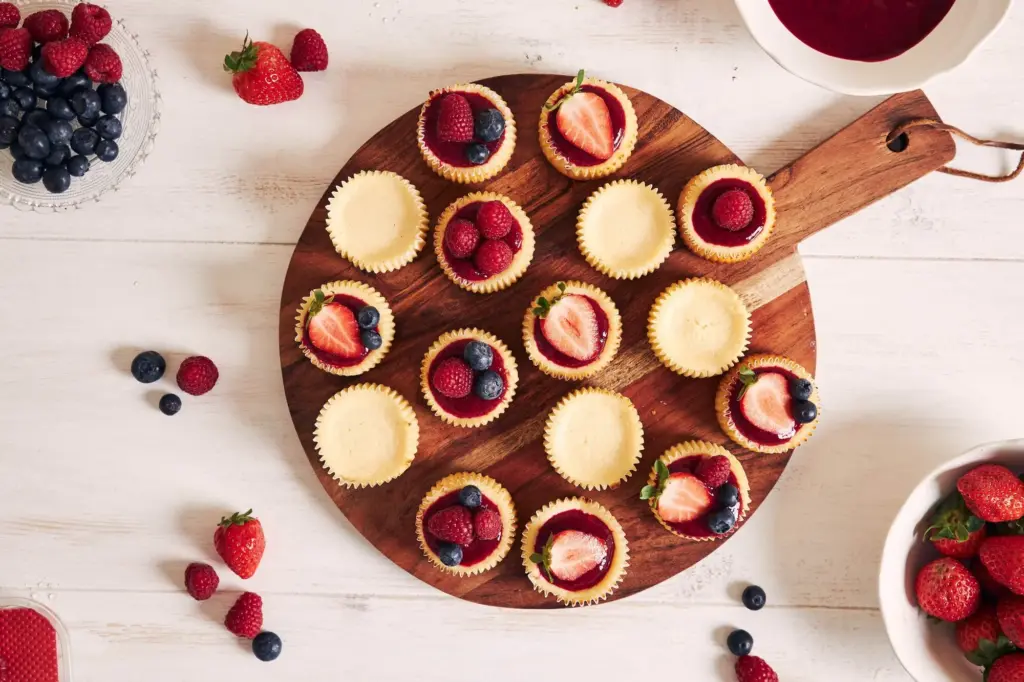
Ripe Fruit, Honest Crumbs: Seasonal Wholegrain Desserts
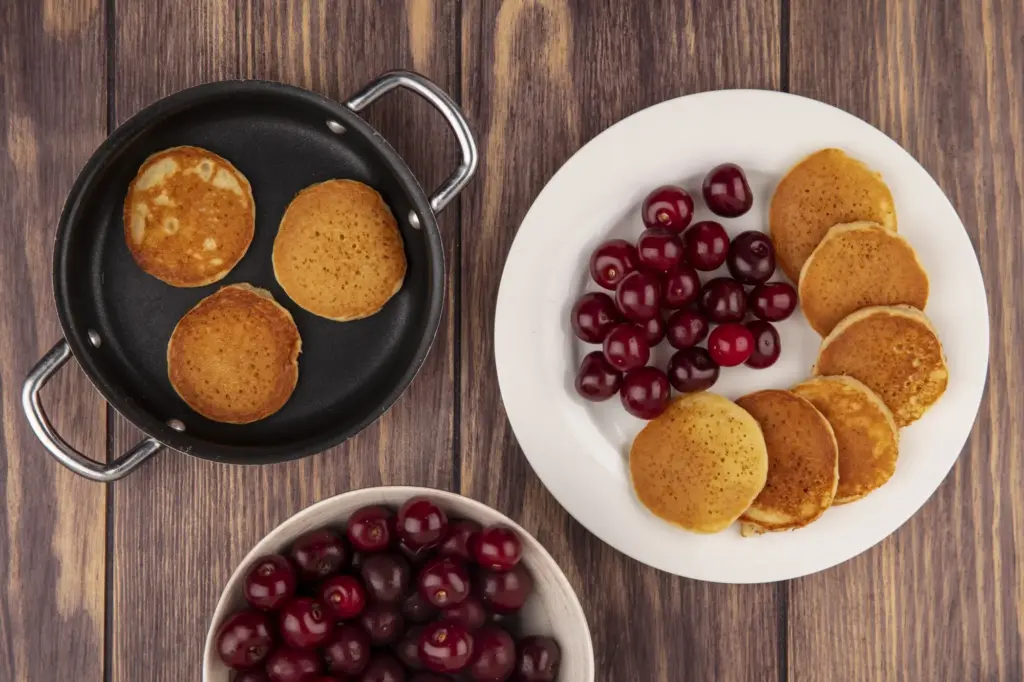
Today we are exploring seasonal wholegrain desserts that rely on fresh fruit for sweetness, celebrating ripe harvests, rustic flours, and techniques that let nature lead. Expect approachable science, vivid stories, and practical tips that make weekend baking lighter, kinder, and irresistibly fragrant without leaning on refined sugar.

Coaxing Natural Sweetness, No Bag of Sugar Required
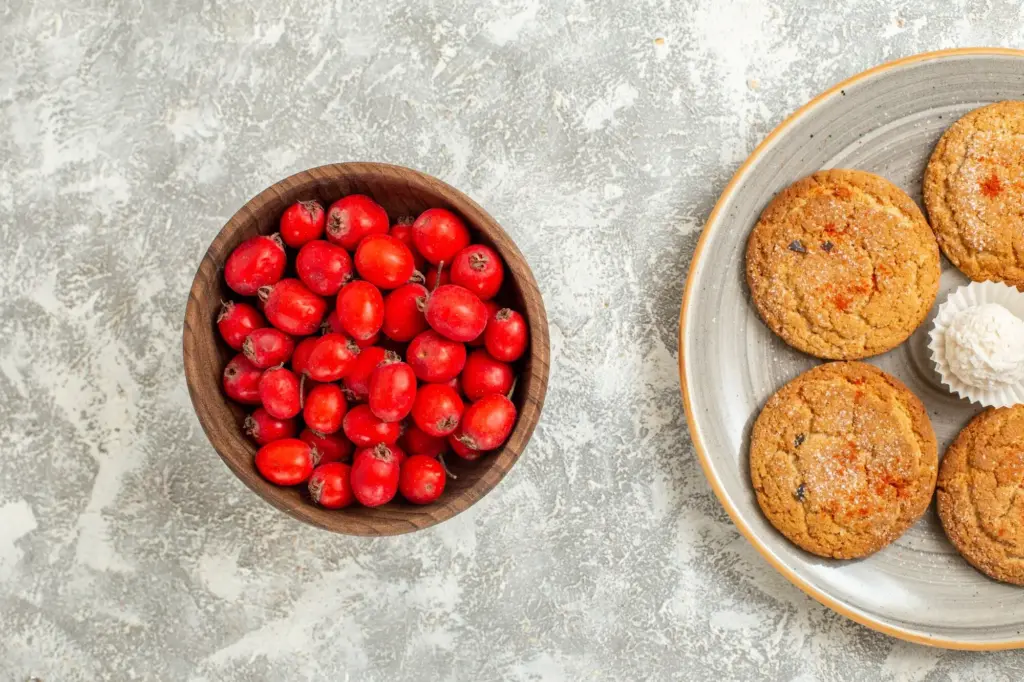
When you start with sun-warmed fruit and characterful whole grains, sweetness becomes a matter of care, not quantity. Gentle heat, strategic salt, and thoughtful texture let berries, stone fruit, apples, or citrus sparkle. We will consider how ripeness, roasting, and grain choice amplify flavor, while small adjustments in fat, acidity, and baking time keep every bite balanced, aromatic, and deeply satisfying without reaching for refined sweeteners.

Macerate, Roast, and Concentrate

Sprinkle sliced fruit with a whisper of salt and a squeeze of lemon, then let time draw out juices that taste sweeter than sugar alone. Slow-roast those juices with the fruit to gently concentrate flavor and caramelize surface sugars. Fold the syrupy results into batters or spoon across warm porridge-bakes, letting natural pectin thicken and gloss the crumb without extra sweeteners or starches.

Balance With Acidity, Salt, and Aroma
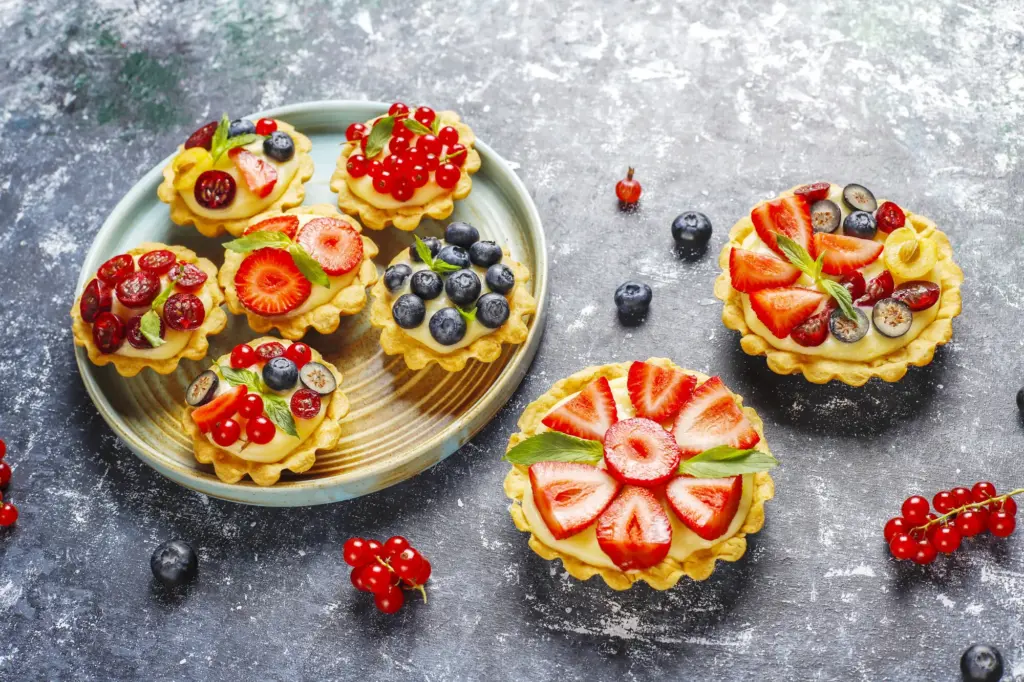
A pinch of flaky salt, a squeeze of citrus, or a swirl of yogurt can heighten perceived sweetness by brightening contrast and taming bitterness. Aromatics like vanilla, cardamom, and citrus zest wake dormant fruit notes while never adding grams of sugar. This tiny trio of adjustments lifts grainy batters, keeps textures lively, and makes modest sweetness feel complete, layered, and luxuriously rounded on the palate.

Choosing the Right Grain for the Right Harvest

Different whole grains bring distinct personalities that pair wonderfully with seasonal produce. Spelt and einkorn feel buttery and delicate beside spring berries. Buckwheat and rye lean earthy, grounding late-summer plums or autumn pears. Oats, barley, and cornmeal give crumbles and buckles structure, fragrance, and golden edges. Match grain and fruit like partners in a dance, honoring both texture and aroma across the changing calendar.

Techniques That Make Fruit Taste Sweeter, Naturally
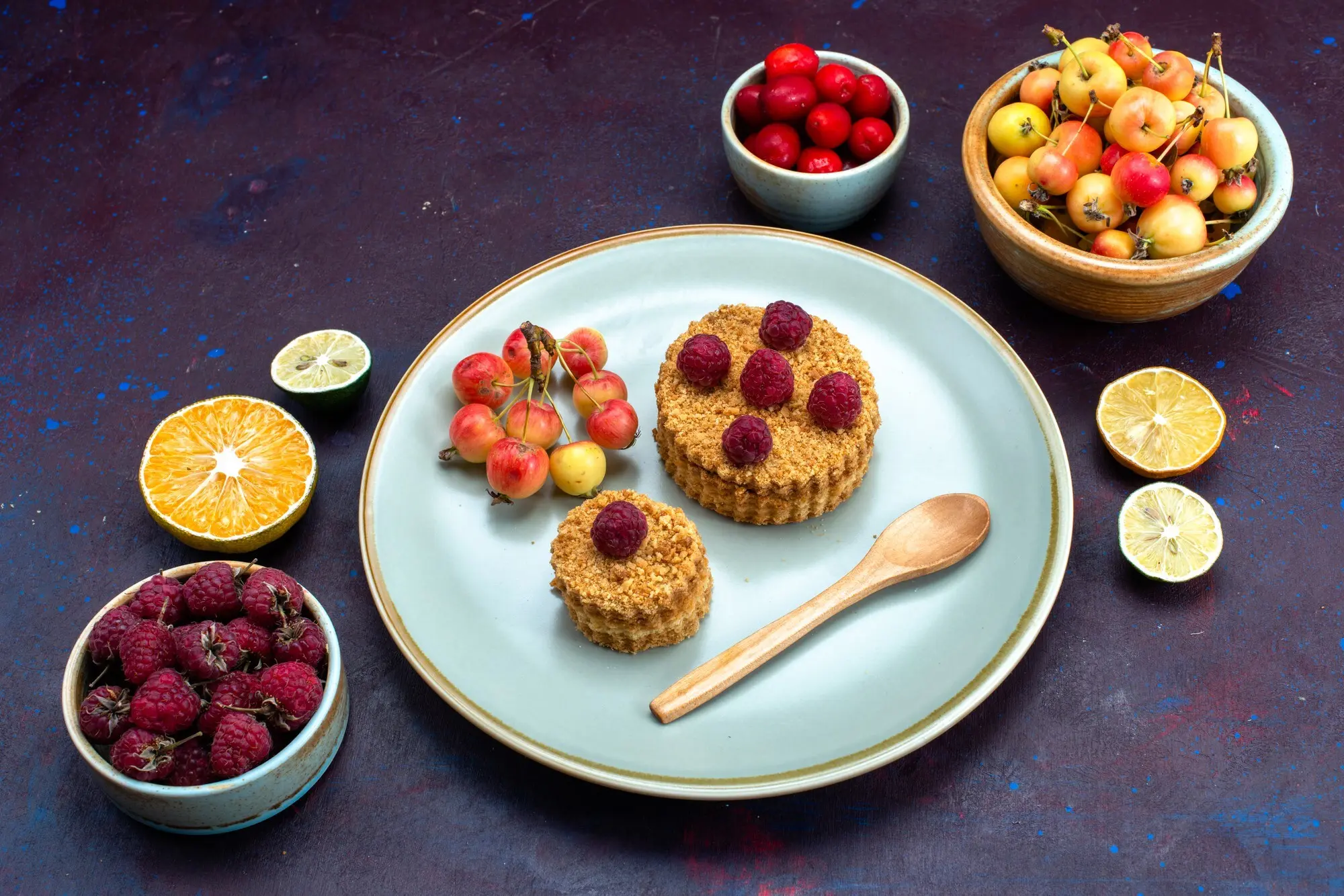
Sweetness perception is a craft. Slow heat builds caramel notes, fermentation adds complexity, and spices boost aroma so your brain reads flavors as sweeter than they are. Control browning with temperature staging, then layer acidity and fat for depth. Respect the grain, respect the fruit, and let time be your quiet collaborator, drawing abundant flavor from simple ingredients you likely already trust and love.

Season-by-Season Inspirations

Let the calendar guide cravings. Early markets favor tender berries and tangy stalks; midsummer brings velvet-skinned peaches and saturated plums; the cooler turn offers apples, pears, and radiant citrus. Adjust grains and techniques to each harvest, honoring water content, acidity, and fragrance. With thoughtful pairings and a few repeatable base formulas, you can bake generously year-round without leaning on added sweeteners for pleasure or celebration.

Spring: Strawberries, Rhubarb, and Gentle Grains

Toss sliced strawberries with a tiny pinch of salt and lemon, then nestle under an einkorn-oat streusel. Roast rhubarb separately with orange zest to tame its tart snap. Fold both into a tender spelt cake that drinks their syrups without collapsing. The result tastes bright and floral, with delicate crumb, crisp edges, and a fragrance that hints at warm patios and the first long evenings of the year.

High Summer: Peaches, Plums, and Buckwheat Galettes

Roll a buckwheat-spelt dough thin, chill it well, and dust with fine cornmeal to guard against juice. Fan ripe peaches and plums, brush with olive oil, and bake hot so edges blister and caramelize. A post-oven swipe of lemon unlocks sweetness. Serve warm with a spoon of ricotta or yogurt. Every slice offers crackly crust, perfume-heavy fruit, and a grounded nuttiness that feels unmistakably summery.

Fiber, Pectin, and a Happier Glycemic Curve

Soluble fiber from oats and pectin from apples create a gentle gel matrix that moderates glucose absorption. Paired with fats from nuts or olive oil, desserts feel indulgent yet balanced. Chewier textures also slow bites, enhancing satiety signals. While sweetness remains, it arrives friendly and paced, supporting focus and comfort. This is pleasure you can linger with, not a spike that fades too quickly.

Micronutrients and Color: Eating the Rainbow, Baking the Rainbow

Anthocyanins stain blueberries deep indigo, carotenoids warm apricots, and flavanols shade pears. Those pigments carry antioxidants and microbenefits that outlast a plate. Wholegrain flours contribute magnesium, iron, and B vitamins, particularly when freshly milled. Bake with variety and you naturally diversify nutrients. The plate looks brilliant, the kitchen smells alive, and your body recognizes the difference between spectacle and substance in every gently sweet crumb.

Smart Shopping and a Ready Pantry

Great bakes start with good habits. Shop at times when markets are calm, ask growers about varieties, and taste when allowed. Keep a rotation of grains sealed, cool, and dated. Freeze fruit in a single layer for winter cravings. Pre-toast oats and nuts for instant aroma. With a little organization, you can improvise confidently, pouncing when berries peak or pears surprise you with perfect perfume.

Stories From the Kitchen and an Invitation

Recipes become memories when they meet people. A late-August evening, a cast-iron pan, and buckwheat batter cradling purple plums can anchor a lifetime of reunions. Share your wins, questions, and tweaks, and subscribe for weekly seasonal prompts. Together, we can keep refining simple methods that celebrate grain, fruit, and time, baking desserts that leave everyone happier than when they arrived at the table.

Grandma's Plum Buckwheat Skillet Cake, Retold

She warmed the pan, whisked buckwheat with rye, and lined halved plums like tiles on a roof. A squeeze of lemon, a flick of cinnamon, and the room smelled like velvet. No sugar bowl on the counter, just patience and heat. The slices tasted friendly and grounded, as if they already knew our names, and we learned sweetness could be quiet and deeply sure of itself.

A Reader's Oat-Crust Peach Crumble That Won the Picnic

They toasted oats with olive oil and a pinch of salt, fanned peaches into a shallow dish, and baked until bubbles painted the edges bronze. People asked for the recipe before plates cooled. The secret, they said, was trusting ripe fruit and letting texture sing. That afternoon proved kindness can be served warm, with crumbs that fall like confetti and a fragrance that gathers friends.

Join the Table: Share, Subscribe, and Bake Along

Tell us what is ripening near you, what grains you have on the shelf, and what stories your kitchen is hungry to write. Leave a comment with questions or swaps, sign up for our letter, and tag your bakes. We will test, cheer, and learn together, building a seasonal library of desserts that taste like place, patience, and pure, generous fruit.
Sanovanilumalorilaxisavizavo
Privacy Overview

This website uses cookies so that we can provide you with the best user experience possible. Cookie information is stored in your browser and performs functions such as recognising you when you return to our website and helping our team to understand which sections of the website you find most interesting and useful.