Bake Brighter: Sweetness from Fruit, Goodness from Grain
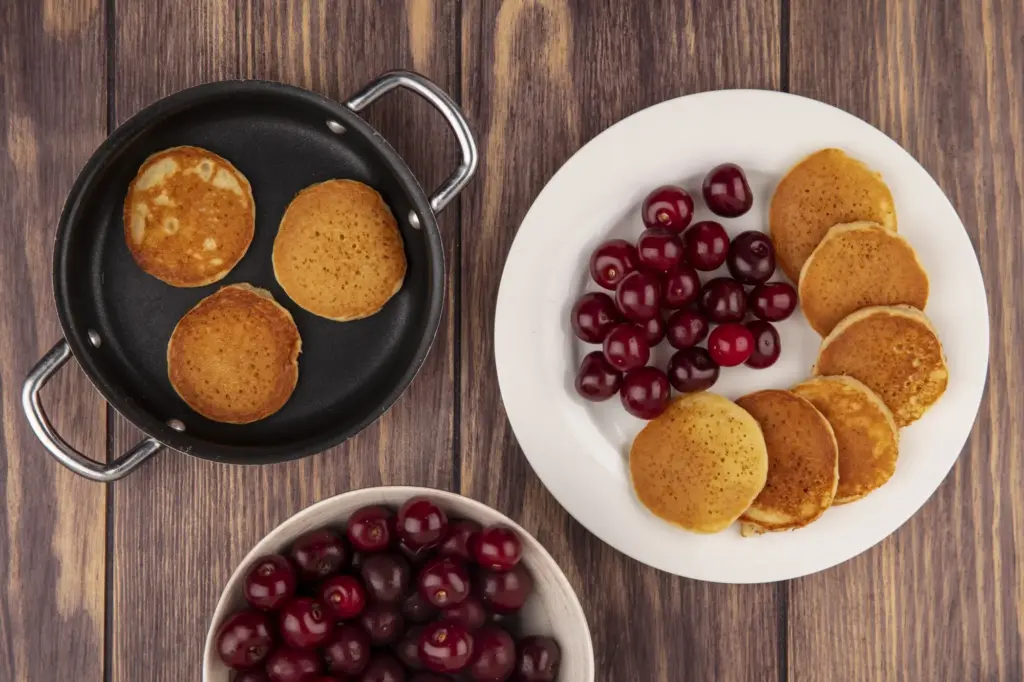
Today we explore zero-waste baking that turns overripe fruit into wholegrain, no-added-sugar treats filled with comfort, nutrients, and honest flavor. We will lean on ripeness to deliver natural sweetness, embrace hearty flours for sustaining texture, and celebrate every peel, core, and crumb. Expect practical methods, science-backed tips, and stories that prove resourceful kitchens can be delightfully generous. Bring your speckled bananas, soft pears, and patient curiosity; together we will bake with intention, reduce waste, and share ideas that make everyday snacking kinder to body, budget, and planet.

Nature’s Sweetness, No Spoon Needed

{{SECTION_SUBTITLE}}
Bananas Beyond the Freckles
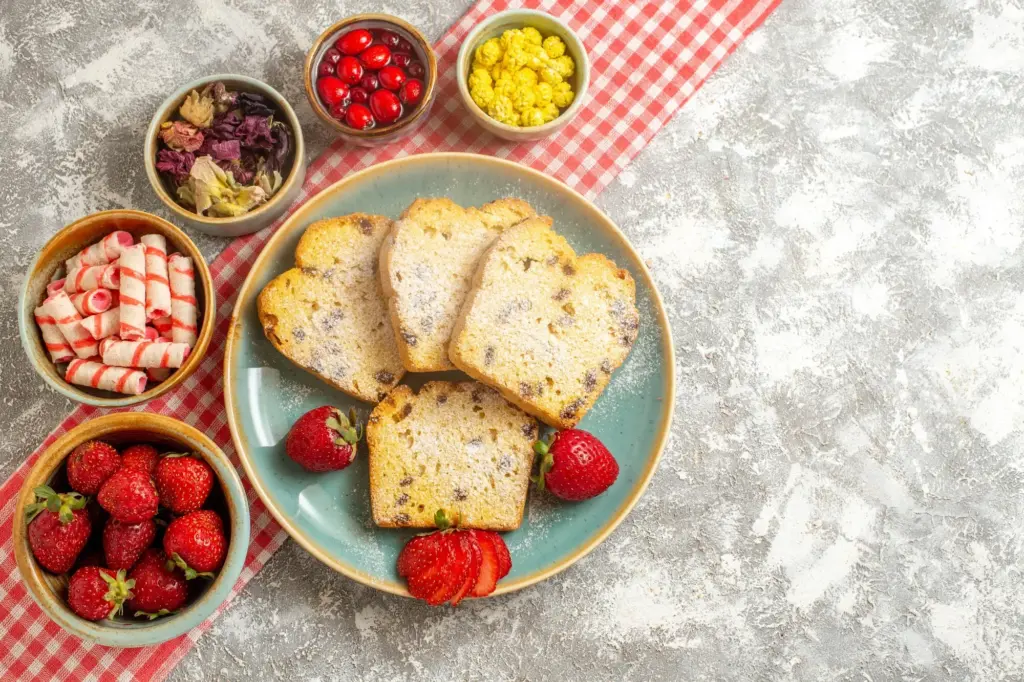
Freckled bananas hide a treasure of free sugars and aroma compounds that awaken batters without syrups or granulated help. Mash thoroughly for even distribution, then weigh for consistency; about three quarters of a cup replaces both sweetener and some liquid. Freeze extras to slow ripening and blend into instant purée when needed. If loaves brown too quickly, tent with foil and extend baking gently. A touch of cinnamon or cardamom amplifies ripe notes, while a pinch of salt sharpens perception of sweetness without adding anything extra.

Sauces, Purées, and Silky Pectin

Overripe apples and pears make velvety sauces that sweeten and bind simultaneously, thanks to naturally occurring pectin that supports a soft, cohesive crumb. Simmer chopped fruit with a splash of water until it slumps, then purée smooth for batters or leave slightly chunky for rustic muffins. Use unsweetened sauce to replace part of oil and sugar together, adding tenderness without heaviness. Warm spices deepen perceived sweetness; grated ginger brings lively balance. Save cores and peels for a gentle pectin stock, perfect for glazing fruit-topped bakes without refined additions.

Wholegrains That Actually Help Your Batter

Bran, germ, and endosperm together bring body, minerals, and flavor that refined flours cannot match, especially when fruit contributes extra moisture. Wholegrain flours absorb slowly and generously, so brief resting time helps batters relax and hydrate, preventing gumminess. Choose varieties for personality as well as performance: spelt lends tenderness, rye brings depth, oat flour softens edges, and buckwheat adds nutty gravitas. Mind gluten differences by blending types and adjusting leavening slightly. With patient mixing and proper hydration, you gain structure that cradles fruit sweetness, delivering bakes that satisfy and nourish simultaneously.

Whole Wheat and Spelt, Kindly Balanced

Freshly milled or high-extraction whole wheat offers resilience and robust flavor, yet can turn dense if overmixed. Spelt behaves more delicately, absorbing moisture quickly and rewarding gentle handling with tender crumb. Combine them to balance strength and softness, letting fruit purées replace part of the liquid. Rest batter ten to fifteen minutes before baking so bran hydrates fully. If slices taste too hearty, sift in a little fine wholegrain pastry flour for subtle lightness. The result carries sweetness comfortably, holding juicy add-ins without weeping or sinking.

Oats and Buckwheat for Tender Strength

Ground oats lend plush comfort and beta-glucan richness that traps moisture from soft fruit, keeping squares and muffins tender for days. Buckwheat, despite its name, is naturally gluten-free, contributing an earthy backbone that flatters roasted plums or bananas. Blend oat flour with a sturdier partner to prevent crumbling, and toast buckwheat lightly to reveal warm cocoa-like notes. These flours shine when sweetened only by fruit, nudging flavors forward with quiet confidence. A touch of olive oil or nut butter complements their softness, ensuring satisfying texture without heaviness.

Rye’s Depth Without the Weight

Rye brings mineral complexity and gentle acidity that plays beautifully with pear or apple purée, helping batters brown and flavors bloom. To avoid density, use medium or light rye, pairing with spelt or whole wheat for balance. Rest the mixture briefly so rye’s pentosans hydrate, then bake at moderate heat to prevent overbrowning. Caraway is optional; citrus zest and ginger sing louder with fruit-forward batters. The reward is a slice that tastes luxurious and layered, delivering satisfying chew, nuanced sweetness, and a sense of old-world comfort updated for mindful kitchens.

Waste Less, Bake More

Peels Become Power

Citrus zest perfumes batters like a secret choir, while apple and pear skins add color, antioxidants, and a satisfying tug to crumb. Dehydrate thoroughly washed peels on parchment as the oven cools, then grind into a bright seasoning that elevates simple oatmeal bakes. Banana peels can be simmered, strained, and used as a subtle aromatic liquid; always scrub well and choose organic when possible. These small practices elevate flavor, reduce waste, and train your palate to find treasure in places many overlook, transforming scraps into steady kitchen magic.

Scraps Into Sippers and Starters

Collect apple cores and pear trimmings to simmer into a gentle pectin stock that sets fruit compotes and glazes without adding refined sugar. Freeze the stock in cubes for quick, controlled thickening whenever muffins crave a glossy crown. Leftover roasted fruit juices become syrups for brushing warm loaves, sealing in moisture and concentrating aroma naturally. Even spice ends—cinnamon nubs, ginger peels—can infuse warm water for a fragrant sip while you bake. Each reuse honors ingredients fully, turning fleeting ripeness into longer-lasting comfort without cluttering the pantry or conscience.

Smarter Heat and Storage Habits

Once the oven is off, let residual warmth finish dehydrating oat clusters, crisping peel chips, or gently toasting nuts for your next batter. Store cooled add-ins in airtight jars, labeling dates to guide rotation. Keep overripe fruit on a designated shelf so you notice it first, then freeze in measured packets for predictable baking. Transparent containers prevent surprise spoilage and invite spontaneous creativity. These quiet systems reduce decision fatigue, helping you say yes to quick bakes that taste planned, not improvised, while honoring every ingredient’s full, delicious potential.

Binders That Love Moisture

Ground flax or chia seeds whisked with water form gels that trap fruit juices and stabilize batters, especially useful in muffins and snack bars. Applesauce doubles as tenderizer and partial fat stand-in, smoothing crumb while keeping sweetness gentle. If using eggs, one white adds lift without extra sugar, while yogurt brings tang and protein with minimal lactose impact. Blend binders thoughtfully, allowing wholegrain fibers to collaborate rather than compete. This balanced network keeps slices cohesive, pleasantly chewy, and resilient enough for lunchboxes, road trips, and second-day satisfaction.

Leavening With Acidity and Timing

Overripe fruit tilts batter slightly acidic, a gift to baking soda that releases carbon dioxide for rise and tenderness. Measure carefully: too much soda tastes soapy and browns too fast. Pair modest soda with a little baking powder for insurance, then rest batter briefly to distribute bubbles evenly. Warmer ovens encourage domes; moderate heat protects moisture. Taste batter for brightness, adjusting with lemon zest rather than sugar. With thoughtful timing and gentle chemistry, your loaves spring proudly, crumb opens softly, and every bite feels buoyant without compromising wholesome integrity.

Flavor That Sings

When sweetness comes from fruit alone, supporting players make the chorus soar. Spices, salts, and a touch of fat unlock memory-rich aromas, while acidity frames everything clearly. Toasted grains whisper warmth; vanilla and citrus light the path. Instead of masking with sugar, we emphasize contrast, texture, and aroma to craft desserts that satisfy beyond the first bite. This is flavor architecture: intentional layers, paced heat, and small decisions that deliver big presence. The result is generous, grown-up baking that honors ripeness and rewards patient curiosity every single time.

Spices That Suggest Sweetness

Cinnamon, cardamom, and nutmeg amplify the perception of sweetness by evoking cozy memories, letting fruit taste fuller without additions. Ginger adds sparkle, cloves deepen warmth, and vanilla rounds edges like friendly light. Bloom spices briefly in warm oil or melted butter to unlock fat-soluble aromas, then fold into batter with restraint. Balance is everything; let ripe pears or bananas lead while spices harmonize. This subtle choreography coaxes complexity from simple ingredients, transforming everyday loaves into fragrant slices that smell like celebration long before the first crumb reaches your plate.

A Pinch of Salt and a Lift of Citrus

Salt sharpens edges of flavor and accentuates natural sugars, acting like focus for a camera lens. Use a modest pinch in batter and a light dusting of flaky crystals on warm tops for sparkle. Lemon or orange zest brightens heavy grains and keeps fruit notes buoyant. A restrained squeeze of juice balances richer fats without souring the crumb. Together these small accents produce clarity, depth, and lingering finish, letting wholegrain bakes read vibrant rather than stodgy, even when sweetened solely by the generous honesty of perfectly overripe fruit.

Roast, Toast, and Bloom

Roast fruit low and slow to concentrate sugars while protecting gentle perfumes; capture and swirl any juices into batter. Toast oats, nuts, or seeds in the cooling oven to build a backdrop of warmth. Bloom cocoa or spices with a spoon of oil to awaken fullness without adding sugar. These micro-moves layer complexity, making each slice taste intentional, almost inevitable. Paired with wholegrains’ earthy confidence, the result is a chorus of textures and aromas that carry sweetness farther, so smaller portions still feel wonderfully complete and deeply satisfying.
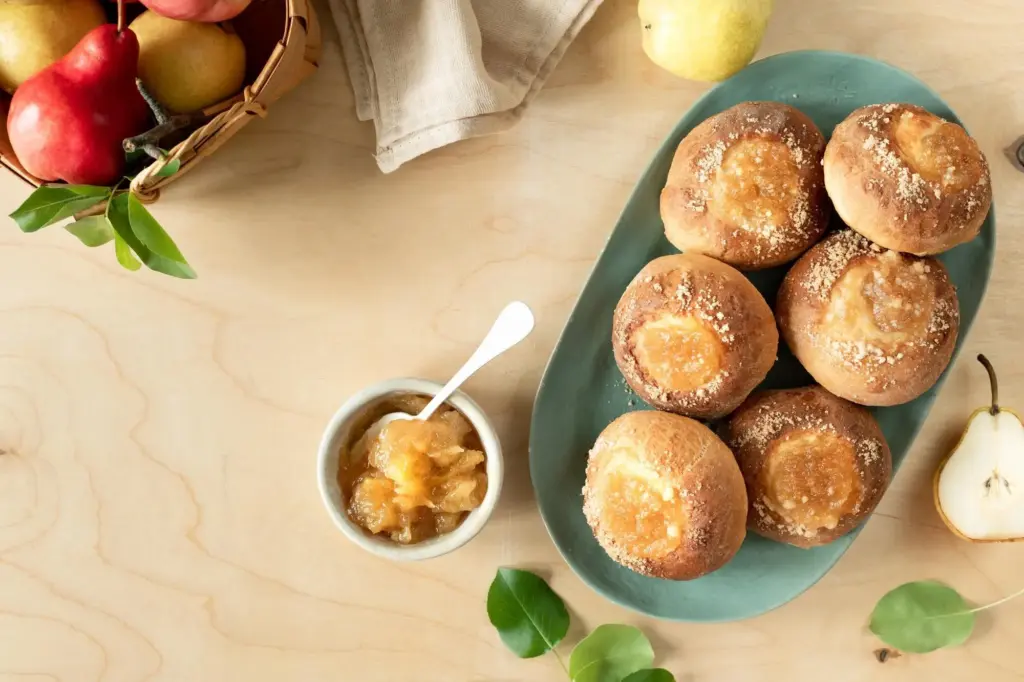
Rescued Banana-Oat Breakfast Squares

Three speckled bananas, one cup oat flour, and a partner grain like spelt turned a sleepy Sunday into a house perfumed with comfort. We folded in toasted walnuts, bloomed cinnamon, and a pinch of salt, then baked until edges whispered caramel. No sugar, only fruit, yet the squares tasted like a hug. Wrapped overnight, they sliced clean and traveled kindly. Share your own riff—perhaps buckwheat, pear purée, or roasted plums—and tell us how long the pan actually lasted on your counter before appreciative hands found it.

Pear and Ginger Muffins, After-School Joy

A bag of soft pears met grated ginger, lemon zest, whole wheat, and oats, becoming twelve muffins that disappeared faster than the backpacks hit the floor. Applesauce stood in for part of the oil, and a flax gel steadied the crumb. Kids called them cozy cupcakes, grown-ups claimed seconds with tea. The next day, flavors deepened and texture stayed tender, proof that fruit-forward sweetness ages gracefully. Try your spice blend, maybe cardamom or vanilla, and drop a comment describing the smiles these little domes sparked at your table.

Join the Kitchen Circle

Your experiences bring this space to life. Tell us which fruits you rescued this week, which flours made you curious, and what you learned about resting batters or roasting fruit. Request experiments, vote on upcoming projects, and subscribe for fresh guides that arrive right when bananas freckle. Tag your bakes so we can cheer, troubleshoot, and celebrate frugal brilliance together. This is a friendly workshop where generosity leads, mistakes teach kindly, and every crumb counts. Let’s keep the oven warm and the conversation even warmer, batch after joyful batch.

Sanovanilumalorilaxisavizavo
Privacy Overview

This website uses cookies so that we can provide you with the best user experience possible. Cookie information is stored in your browser and performs functions such as recognising you when you return to our website and helping our team to understand which sections of the website you find most interesting and useful.