Bake Boldly with Whole Grains and Fruit-Only Sweetness
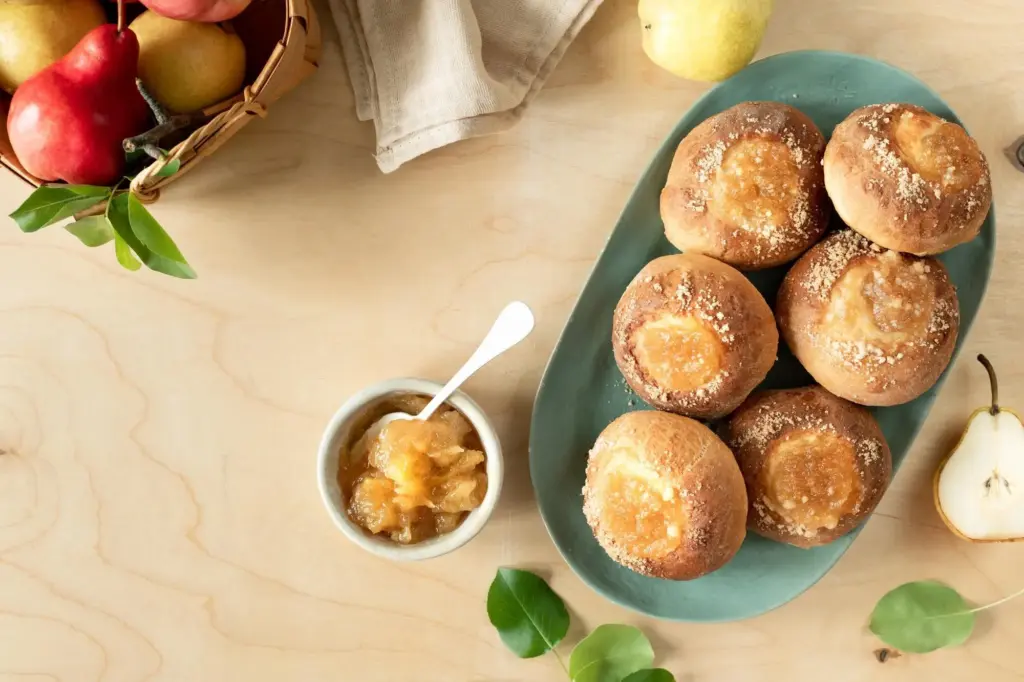
Step into a kitchen where curiosity meets delicious results, as we explore techniques and science for baking wholegrain treats sweetened only with fruit. Discover how natural sugars, fibers, and moisture shape crumb, rise, and crust, while approachable methods turn theory into irresistible cookies, loaves, and bars. Share your questions, swap experiments, and subscribe for fresh bakes that taste indulgent, nourish body and mind, and celebrate grain-to-fruit harmony.

Sugar Science That Guides Your Oven

Understanding how fruit sugars interact with wholegrain components unlocks dependable texture and flavor. Fructose caramelizes at lower temperatures than sucrose, fiber moderates water activity, and bran interrupts gluten networks. When you recognize these forces, you can plan hydration, heat, and timing that transform wholesome ingredients into satisfying, beautifully browned bakes without any refined sweeteners.

Choosing Fruits and Formats That Truly Work

Success begins with carefully selected fruit varieties and preparation styles. Ripeness controls perceived sweetness and moisture; purées and pastes offer even distribution; reductions concentrate flavor without added sugar. By pairing high-pectin fruit with intensely sweet counterparts, you can build body, depth, and a balanced finish that feels indulgent, not cloying, while keeping structure stable across muffins, bars, and sandwich loaves.

Ripe vs. Overripe: Calibrating Natural Sweetness

Spotty bananas deliver gentle acidity and abundant fructose that mash seamlessly into batters, while overripe pears can flood dough with free water. Taste and weigh your fruit, then adjust flour or oat additions to stabilize hydration. If sweetness feels shy, blend in date paste rather than extending bake time, protecting crumb moisture while letting subtle banana esters or pear aromatics shine confidently.

Purées, Pastes, and Reductions

Unsweetened applesauce, roasted pumpkin, or prune purée brings consistent sweetness and pectin-driven tenderness. Date paste acts like a syrup that stays put, anchoring chew in cookies and quick breads. Stove-top reductions of apple cider or pear purée intensify caramel notes without added sugar. Strain fibrous bits for delicate crumbs, or keep them for rustic character that pairs beautifully with nutty wholegrains.

Pairing Varieties for Complexity

Layering fruit deepens flavor: tart apple for brightness, banana for plush texture, date for lingering sweetness. Consider seasonal choices—roasted persimmon in winter, juicy peaches in summer—then balance with citrus zest or cocoa for contrast. The best pairings taste multidimensional, encouraging slower, more appreciative bites that highlight grain character instead of masking it with blunt, one-note sweetness.

Mastering Hydration and Structure with Wholegrain Flours

A short autolyse lets flour enzymes awaken, easing extensibility before fruit sugars arrive. Soak coarse bran separately to blunt its cutting edges, then fold it in gently. Cooked flour pastes like tangzhong trap water within starch gels, providing plush resilience that resists staling. Combined, these techniques buffer fruit moisture swings and build a forgiving dough that bakes evenly and slices cleanly.
Ground flax or chia gels add gentle cohesion without stealing the spotlight, while psyllium reinforces slices in pan loaves and bars. Eggs, when used, contribute emulsification and tenderness; egg-free versions can lean on nut butters for body. Choose the lightest binder that accomplishes the job, preserving the grain’s toasty notes and the fruit’s clear voice rather than muting them.
Wholegrain doughs reward patience. Brief rests let bran finish hydrating so you can mix less and preserve structure. Avoid aggressive beating after adding fruit purées; overmixing releases trapped water and toughens crumbs. Use stretch-and-folds for bread doughs, delicate strokes for muffins, and targeted scraping in corners. These small behaviors translate into domed tops, even pores, and satisfying, tender bites.

Leavening and Fermentation without Refined Sugar

Natural fruit sugars can absolutely power rise, yet they behave differently than granulated sugar. Yeast appreciates glucose and fructose but prefers time and comfortable warmth. Chemical leaveners need balanced acidity to avoid soapiness. Combine patient preferments, measured soda, and well-timed steam to produce impressive lift, thin crisp crusts, and interiors that stay moist, aromatic, and gently sweet from real fruit.

Sourdough and Preferments That Love Fruit Sugars

A lively sourdough culture thrives on fruit purée additions when diluted properly, developing round, complex aromas. Build a stiff levain to keep acidity tame, then fold in mashed banana or applesauce during mixing. Longer fermentation encourages enzymatic sweetness release from grains, complementing fruit notes. Watch dough strength closely; fruit softens structure, so gentle folds and supportive pans ensure confident oven spring.

Smart Use of Baking Soda and Powders

Fruit acidity varies wildly, so treat soda as a scalpel, not a shovel. Whisk it thoroughly into flour to prevent bitter pockets, and pair with double-acting baking powder for dependable lift. If batter tastes sharply tart, a tiny extra soda helps; if it already seems mellow, rely more on powder. Aim for buoyant crumbs and clean flavors that finish bright, never soapy.
Flavor Architecture Beyond Sweet
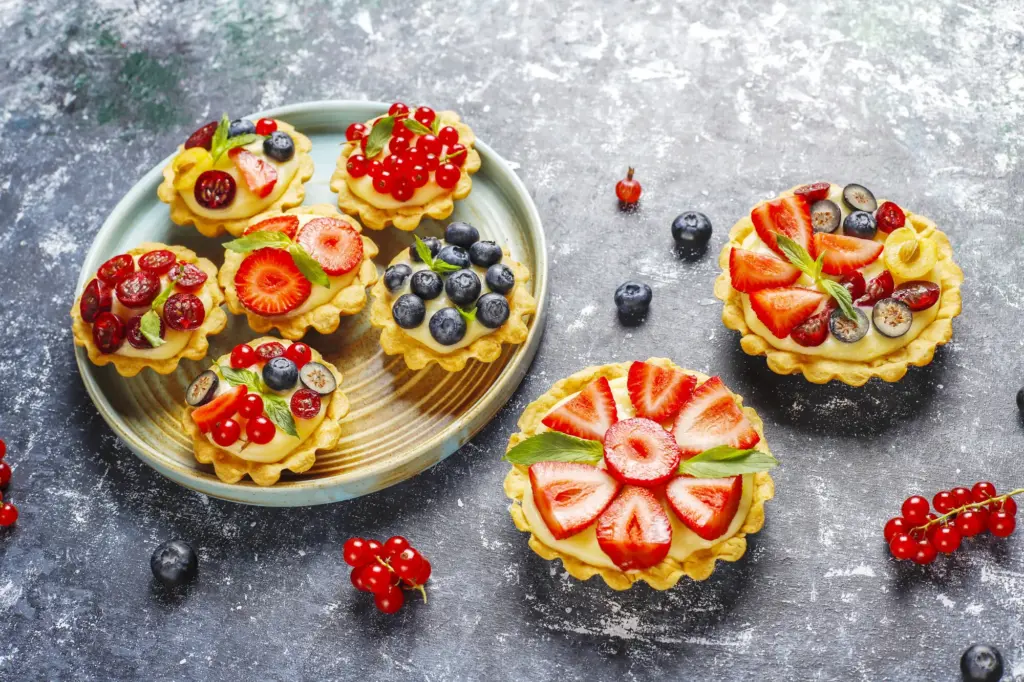
With refined sugar gone, flavor turns architectural. Salt reveals hidden notes, spices build scaffolding, roasted grains add bass, and citrus zest paints highlights. Textural contrasts—crisp seeds, tender crumb, chewy fruit bits—keep each bite exciting. Finish with reductions or cocoa dust to intensify aroma. This holistic approach yields bakes that feel generous, complex, and deeply satisfying without chasing shockingly intense sweetness.

Testing, Troubleshooting, and Repeatable Success

Precision builds confidence. Weigh ingredients, track fruit ripeness notes, and aim for consistent bake temperatures. Use internal temperature targets to avoid gummy centers; keep records of hydration, pan size, and resting times. When outcomes drift, diagnose systematically rather than guessing. Share observations with our community, learn from others’ experiments, and iterate toward bakes that deliver dependable joy every single time.
Sanovanilumalorilaxisavizavo
Privacy Overview

This website uses cookies so that we can provide you with the best user experience possible. Cookie information is stored in your browser and performs functions such as recognising you when you return to our website and helping our team to understand which sections of the website you find most interesting and useful.