
Golden Crumbs, Whole Grains, Pure Fruit Sweetness
Today we celebrate gluten-free wholegrain bakes naturally sweetened with fruit, bringing you joyful flavor without refined sugar. Expect practical techniques, flexible formulas, and heartfelt stories that make mornings brighter and gatherings warmer. We will explore grains, fruits, binding methods, and oven craft, then invite your questions, swaps, and proud photos, because delicious progress happens when curious bakers share, iterate, and taste together.
Wholegrain Foundations Without the Gluten
Choosing the Right Flours
Build blends with purpose: combine sorghum for body, millet for delicacy, and a touch of teff for depth. Add finely milled, certified gluten-free oats to soften edges and encourage browning. Keep quinoa or buckwheat modest to avoid bitterness, unless you desire their bold charm. Taste raw flour slurries to preview flavors, and adjust ratios before committing. Remember, different mills vary, so test small batches and record notes carefully.
Grinding, Sifting, and Storing
Freshly milled wholegrains bloom with aroma but can turn rancid fast. Store flours airtight in the freezer, label dates, and rotate. Sift to break clumps and introduce air, then weigh rather than scoop to prevent dense outcomes. If grinding at home, pulse, rest to limit heat, and finish with a fine sieve. Stir flours before weighing because settled particles skew blends. A few simple habits protect both flavor and performance every single bake.
Hydration and Resting
Wholegrain particles drink water slowly, so give batters time to hydrate. A fifteen-to-thirty-minute rest softens bran, reduces grittiness, and stabilizes structure. Expect thicker batter after resting; add a spoonful of milk only if necessary. For quick breads, a brief autolyse-like pause transforms crumb tenderness. In cookies, short rests tame spread and deepen flavor. Patience becomes the cheapest, smartest ingredient, rewarding you with slices that hold together yet remain exquisitely moist.
Fruit as Sweetener, Structure, and Story
Ripe fruit sweetens with nuance, layering fructose, acids, and aromas while its fiber and pectin quietly bind, tenderize, and moisten. Bananas mellow buckwheat’s earthiness, applesauce lightens oat batters, and dates deliver caramelly bass notes. Control water with roasting or reducing purees; manage acidity with citrus zest or a pinch of baking soda. Choosing fruit is choosing texture, color, and memory, transforming everyday bakes into comforting, nourishing rituals worth repeating and sharing.
Bananas, Apples, and Pears
Spotty bananas bring concentrated sweetness and silky moisture, so reduce added liquid and fat slightly. Unsweetened applesauce is milder but adds pectin for a plush crumb and dependable lift. Pear puree contributes floral notes and a delicate, custardy feel when baked gently. Roast slices first to concentrate juices, then blend smooth for consistent results. Pair bananas with cinnamon, apples with nutmeg, and pears with cardamom, letting spice frame the fruit without overwhelming gentle wholegrain flavor.
Dates, Figs, and Prunes
Sticky fruits concentrate natural sugars and minerals, perfect for deep, caramel-adjacent sweetness. Soak chopped dates or prunes in hot water or brewed tea, then puree to a glossy paste that disperses evenly. This technique curbs dry pockets and reduces required oil. Figs bring tiny seeds and jammy complexity, lovely in oat bars or teff loaves. Add espresso powder, cocoa, or tahini to nudge bitterness, balance sweetness, and create long, satisfying flavor arcs in every bite.
Binding Without Gluten
Structure comes from a thoughtful network: hydration, starches, and small helpers that mimic gluten’s spring. Psyllium husk forms helpful gels, xanthan lends viscosity, and flax or chia create tender cohesion. Eggs set into custardy scaffolding, while aquafaba whips into buoyant foam for plant-based lift. Choose one or combine gently; more is not better. Calibrate by texture, not fear, and you will discover batters that bake into slices holding together with confidence and grace.
Use psyllium husk powder sparingly to bind and retain moisture, especially in hearty sandwich loaves or rustic cakes. Hydrate it fully to avoid speckling and ensure even gel formation. Xanthan gum, measured by grams, thickens quickly; whisk thoroughly with dry ingredients to prevent clumps. Too much can feel slimy or tight, so start tiny and adjust. Together, they provide elasticity, improved sliceability, and dependable structure that welcomes generous fruit additions without collapsing the tender wholegrain crumb.
Eggs offer protein networks that set softly, emulsify fats, and support lift. For vegan paths, aquafaba whips into glossy peaks, stabilizing batters sweetened with wetter fruit purees. Yogurt or buttermilk contributes tang, tenderness, and gentle acidity that activates baking soda. Monitor total hydration because fruit and dairy together swell volume quickly. Whether using eggs or plants, keep balance central: structure should cradle flavor, not overshadow it, preserving crumbs that slice neatly yet remain generously moist.
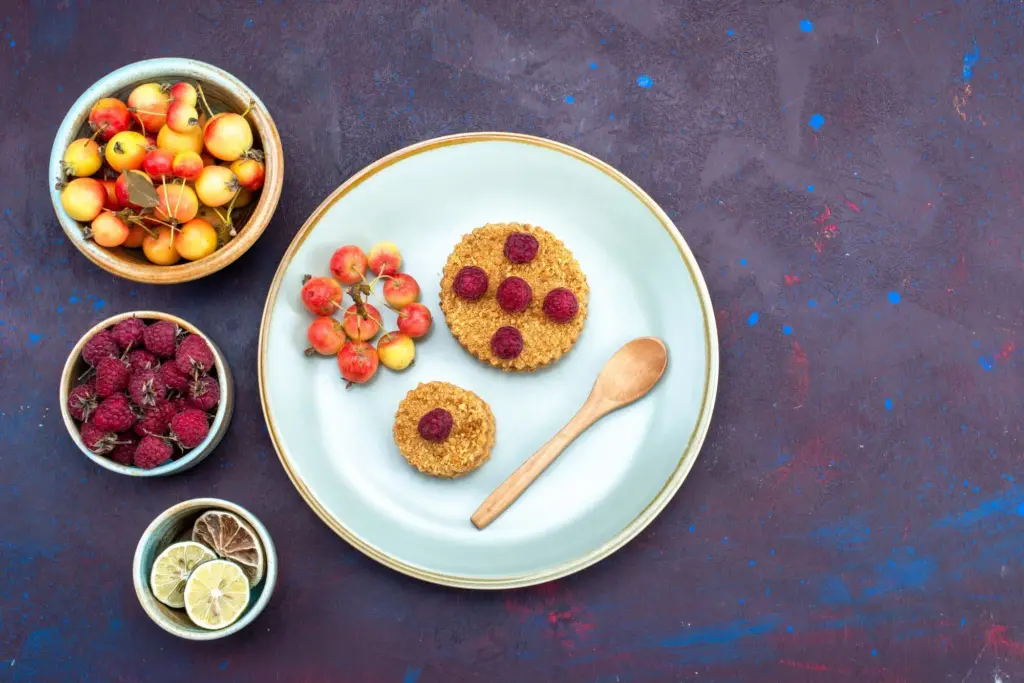
Techniques for Tender Crumbs and Crisp Edges
Technique turns promising ingredients into reliable joy. Weigh flours for consistency, cream fats for aeration when needed, and fold fruit purees gently to avoid overdeveloping gums and trapping heaviness. Preheat thoroughly, verify temperatures with an oven thermometer, and bake in light-colored pans for even browning. Steam from fruit slows crust; consider slightly higher heat at the start for lift, then reduce to finish. Cool patiently, because crumb sets as pectins, gels, and starches align into sliceable harmony.
Scales grant repeatable success, especially with variable wholegrain flours. Whisk dry ingredients thoroughly to distribute salts, leaveners, and stabilizers. When adding fruit purees, fold slowly from the center outward, lifting batter instead of stirring aggressively. Stop when streaks disappear to protect trapped air. Scrape bowl sides thoughtfully, then portion promptly to prevent settling. Small attentions deliver tall muffins, even crumbs, and confident texture that remains light despite hearty grains and generous, naturally sweet fruit additions.
Fruit increases moisture and delays browning, so expect slightly longer bakes. Begin a touch hotter for lift, then lower to set without drying. Quick breads often finish near 98 to 99 degrees Celsius internally; use a probe for certainty. Toothpicks mislead with fruit pockets, so test multiple spots. Allow ten minutes in the pan, then cool on a rack. Carryover heat completes setting, yielding clean slices, fragrant edges, and a crumb that holds together beautifully.
Nutrition, Energy, and Flavor Balance
Wholegrains anchor energy with fiber and micronutrients, while fruit offers natural sweetness, moisture, and color. Balance remains crucial: a whisper of salt amplifies flavor, a brush of acidity sharpens edges, and thoughtful fats carry aromas. Consider glycemic impact, allergies, and preferences; make empowered swaps and observe outcomes. Layer spices gently to coax complexity without heaviness. With small adjustments, treats slide confidently from celebration plates into weekday routines, nourishing body and spirit in equal, generous measure.
Balancing Sweetness Without Sugar
Choose very ripe fruit for maximum sweetness, then roast or reduce purees to concentrate flavor instead of increasing quantity. Add a pinch of salt to heighten perception, and brighten with lemon juice or zest. Bitterness from cocoa or coffee provides contrast that reads as less sweet overall. Texture also influences taste; a tender, moist crumb feels sweeter than dry. Train your palate gradually, celebrating nuanced fruit notes that refined sugar often hides.
Fats, Salts, and Spices
Fats tenderize and transport aromas; olive oil brings grassy depth, while neutral oils step back and let fruit sing. Salt defines edges and steadies sweetness; a restrained hand works wonders. Cinnamon, cardamom, ginger, and freshly grated nutmeg weave warmth through oat and sorghum batters. Toasted seeds or nuts add crunch and savoriness, encouraging balance. Measure with intention, smell your spices for freshness, and let restraint lead, because clarity makes naturally sweet bakes taste radiant.
Portions and Everyday Enjoyment
Portion size shapes experience. Muffins baked smaller cool faster and freeze perfectly for busy mornings. A slender slice of date-sweetened teff loaf pairs beautifully with yogurt or nut butter, sustaining energy without a crash. Gentle sweetness suits breakfast, while a celebratory cake can lean richer yet remain fruit-forward. Track how your household actually eats, then batch accordingly. Joy grows when food fits real rhythms, inviting seconds without regret and welcoming guests with effortless, wholesome abundance.
Stories from the Warm Kitchen
Recipes carry memories. A Saturday morning experiment with overripe bananas and buckwheat turned into the muffins my niece now requests before every hike. A sorghum apple loaf traveled safely to a friend with celiac, where tears turned into laughter around second slices. These moments guide our choices more than charts do. Share your substitutions, triumphs, and curious flops in the comments, so our next bakes reflect your kitchens, your fruits, and your beautiful, practical genius.
A Muffin That Changed Breakfast
I mashed three freckled bananas, whisked warm olive oil with vanilla, and folded in oat, millet, and a shy spoon of teff. The batter looked heavy until a rest softened everything. Baked high, then lower, the muffins crowned beautifully. My niece called them backpack gold and hid two in her pocket. No sugar, only fruit, yet sweet enough to feel like a treat. That morning taught me patience, scales, and the quiet power of ripe bananas.
A Loaf for a Friend with Celiac
I wanted a slice that felt normal—no apology, no caveat. Sorghum and certified oats formed the heart, applesauce and diced pears brought perfume, and psyllium steadied the crumb. We sipped tea while it cooled, resisting early cuts. The first slice released steam like a promise. Her face brightened, shoulders dropped, and suddenly plates refilled. That loaf became our ritual, reminding me that thoughtful ingredients transform restrictions into invitations where everyone passes the bread and feels seen.
Family Baking Night
We turned music up, weighed flours, and assigned jobs: zest master, date-chopper, careful folder. The kids argued about blueberries versus raspberries, then compromised and used both, tossing with starch to protect crumb. Twenty minutes later, the kitchen smelled like summer. We learned that resting batter matters and that enthusiasm sometimes overmixes. Still, the pan emerged freckled and golden, a little chaotic and utterly perfect. We wrote notes for next time and promised to bake again soon.
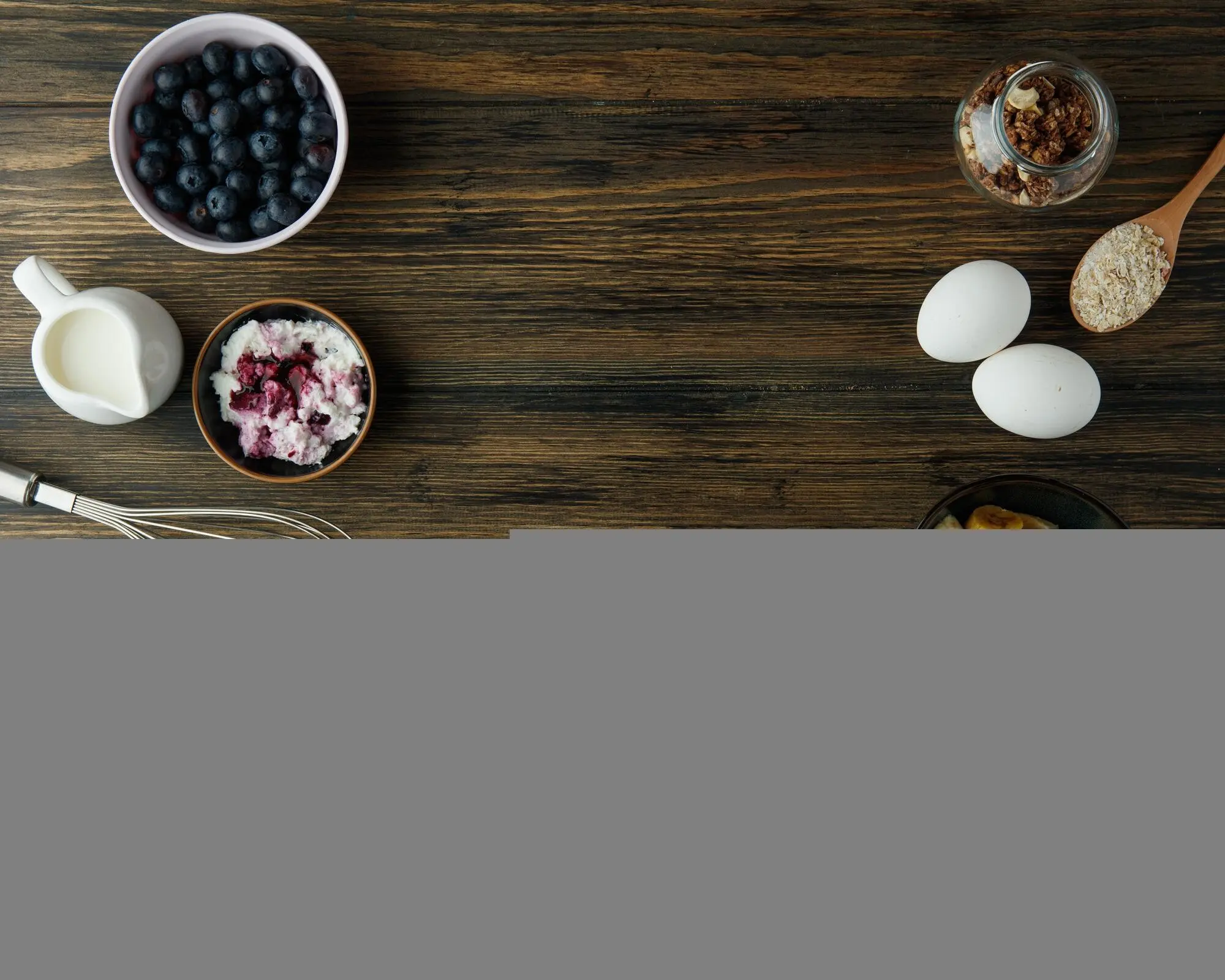
Banana–Buckwheat Power Muffins
Use very ripe bananas, sorghum for softness, a kiss of buckwheat for depth, and ground flax to bind. Fold gently, rest the batter, and bake hotter at first for lift. Expect domed tops, tender centers, and an aroma that suggests dessert with breakfast manners. Add walnuts for crunch, or blueberries for sparkle. Share your timing in the comments, because pan color, oven calibration, and banana size all quietly nudge results in fascinating, teachable ways.
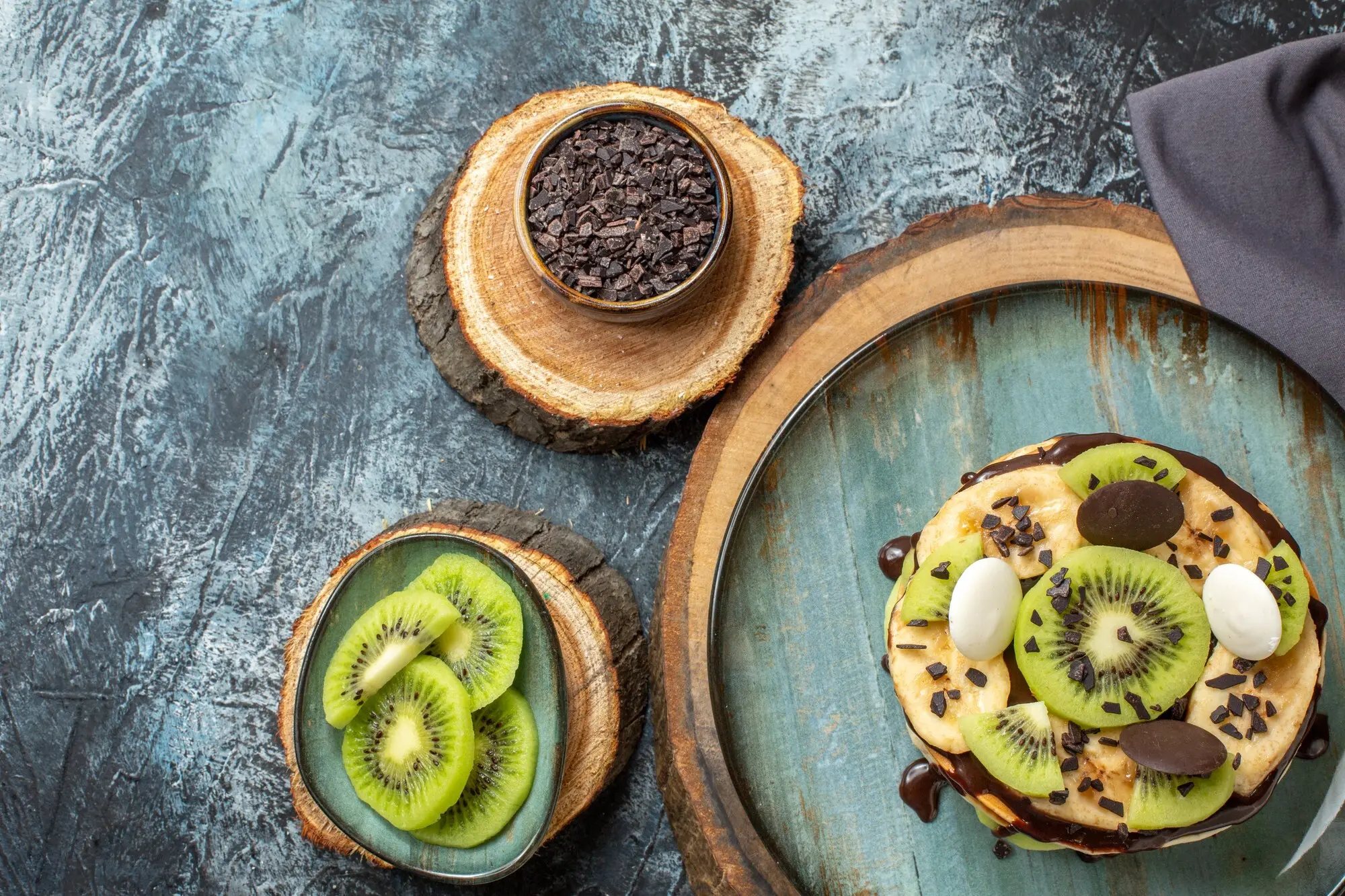
Apple Oat Scones with Date Shine
Whisk certified gluten-free oat flour with millet, rub in cold butter or chilled coconut oil, and sweeten entirely with a smooth date paste. Grated apple releases fragrant juice, so keep the dough cool and fold minimally. Chill before baking for impressive lift. Brush with reduced apple cider for a glossy finish. The result tastes like a crisp autumn walk. Tell us which apple you chose, and we will suggest spice pairings to match its personality.
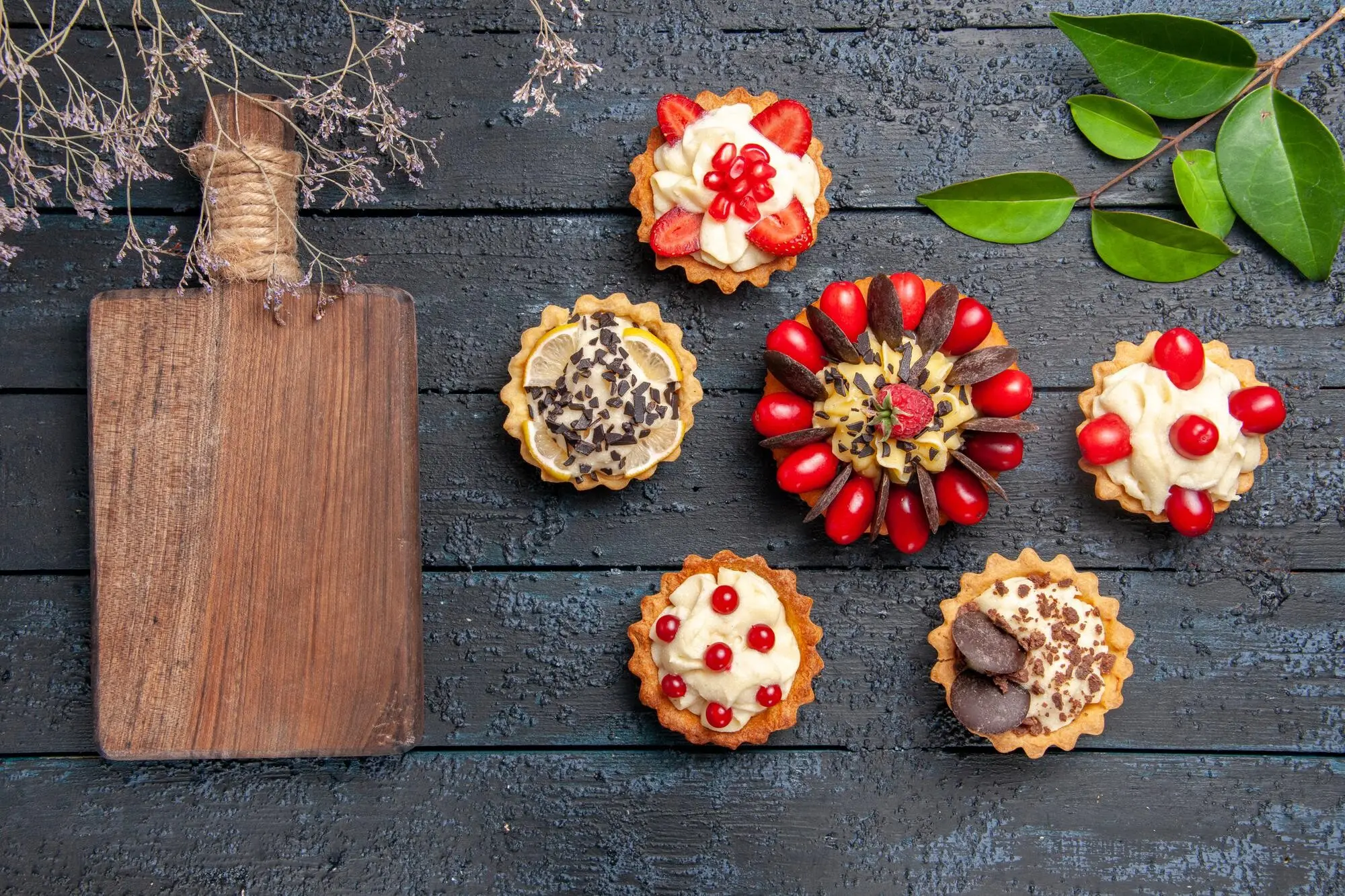
Sorghum Lemon–Blueberry Tea Loaf
Sorghum flour builds a soft base while almond meal adds tenderness. Sweeten with mashed pear and a handful of blueberries, then brighten with lemon zest and juice. A modest whisper of xanthan steadies everything; rest the batter to hydrate. Bake until the center springs back and edges caramelize. Cool completely before slicing for clean, bakery-worthy pieces. If you try frozen berries, report your bake time adjustments so we can compare notes and refine together.
All Rights Reserved.